
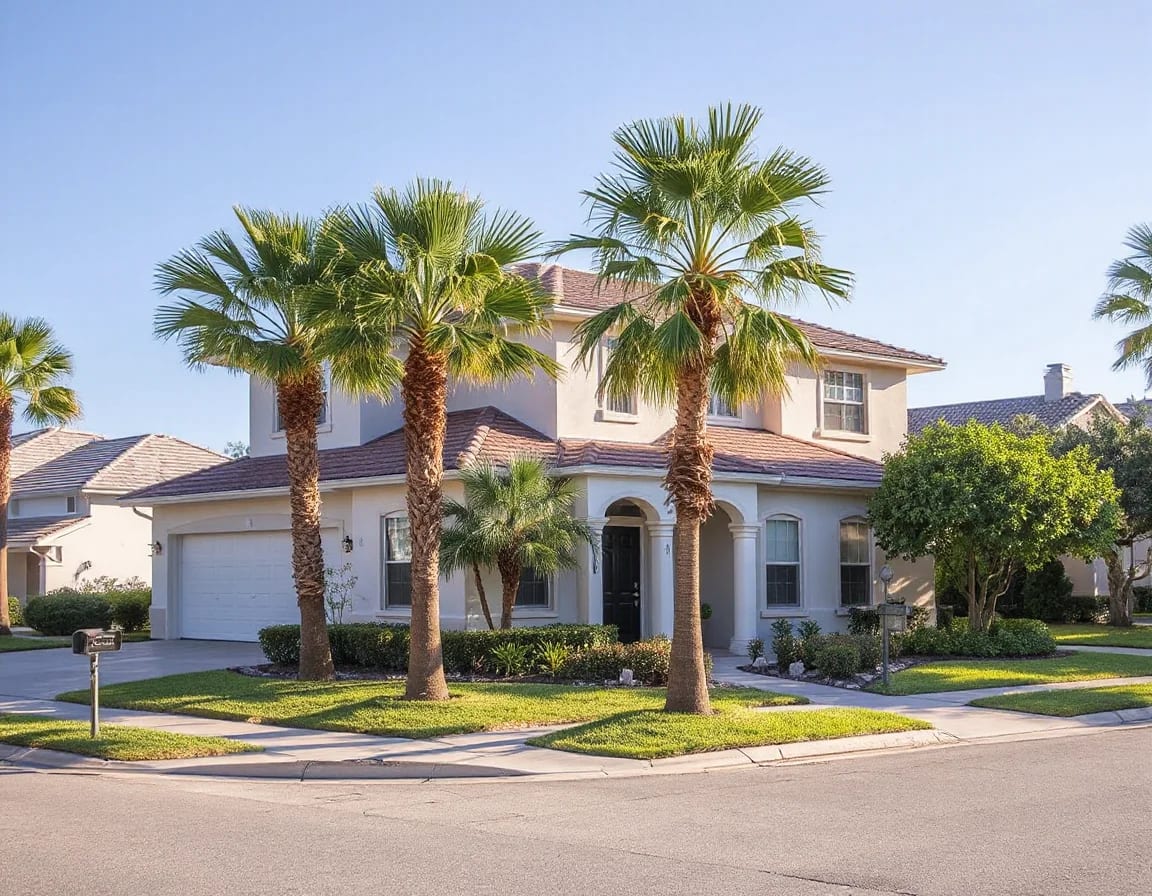
A smart coastal purchase usually reveals itself through patterns, not hype. In Palm Coast, the strongest signals often come from elevation, access, upkeep, layout, and how daily life connects to the water without overcomplicating ownership. If you want a practical way to judge long-term value in a coastal market, these seven clues can help you sort attractive listings from truly durable opportunities.
Start With the Clues That Hold Up After Closing
Coastal homes can be easy to fall for on first impression. A glimpse of water, a bright lanai, or a breezy afternoon near the Intracoastal can make almost any showing memorable. But a smart buy in Palm Coast usually stands out for reasons that remain important long after move-in day: how the home sits on the lot, how it handles weather, how convenient the location feels on an ordinary Tuesday, and how well the property aligns with current buyer expectations.
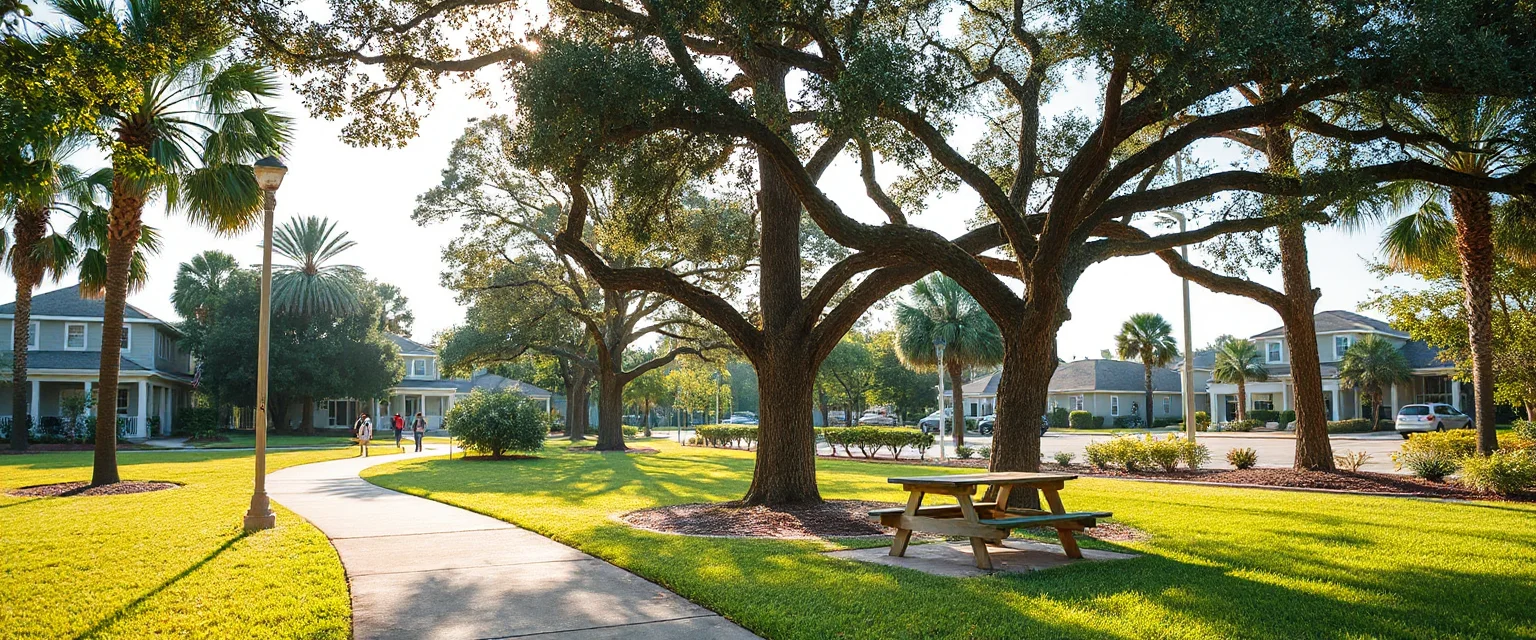
The first clue is position. In a coastal setting, that means more than curb appeal. Buyers are often wise to notice whether a property feels thoughtfully placed in relation to roads, neighboring homes, drainage, and surrounding open space. A home with a comfortable setback, usable yard, and a site plan that makes sense can offer flexibility and easier maintenance over time.
The second clue is access without friction. Palm Coast buyers often value being able to reach beaches, golf, trails, marinas, and everyday retail corridors without turning every errand into a long drive. A listing that combines a coastal atmosphere with practical access tends to stay appealing because convenience remains valuable in every market cycle.
One of the most useful filters in Palm Coast is simple: if a property feels easy to live in before you think about upgrades, it may already be showing stronger long-term value than a more dramatic listing that requires immediate compromise.
That is where local perspective matters. Coastal Gateway Real Estate Group works across Palm Coast and nearby coastal communities, and this kind of market familiarity helps buyers compare what looks good online with what functions well in person. Technology can narrow the search, but the strongest decisions usually come from understanding the details behind the photos.
Look for Weather Readiness, Not Just Coastal Style
The third clue is visible evidence of preparation. In a Florida coastal market, buyers often pay attention to roofs, windows, exterior materials, drainage patterns, and general upkeep. Even when full inspection work comes later, a home that presents as consistently maintained can signal a seller who has stayed ahead of routine ownership demands. That does not guarantee perfection, but it can reduce the number of surprises hiding behind fresh paint.
The fourth clue is an exterior designed for the climate. Covered entries, screened outdoor areas, durable landscaping, and manageable hardscaping can all add practical value. In Palm Coast, where outdoor living is part of the appeal, the best properties often make patios, porches, and backyard areas feel usable rather than decorative. The question is not simply whether a home looks coastal; it is whether it lives well in coastal conditions.
Another strong signal is how much deferred maintenance seems to be waiting. If every appealing feature is paired with a visible project list, the true cost of ownership can shift quickly. By contrast, a property with clean lines, maintained surfaces, and sensible updates may offer a clearer path from contract to comfortable occupancy.
Floor Plans Still Matter More Than Trendy Finishes
Clue number five is a layout that makes daily use feel natural. Open living spaces remain popular, but the smartest buy is not always the flashiest interior. In many Palm Coast homes, the real value comes from room placement, storage, natural light, and how well the indoor spaces connect to the outdoors. A floor plan that supports work, hosting, quiet evenings, and practical routines can age much better than purely style-driven updates.
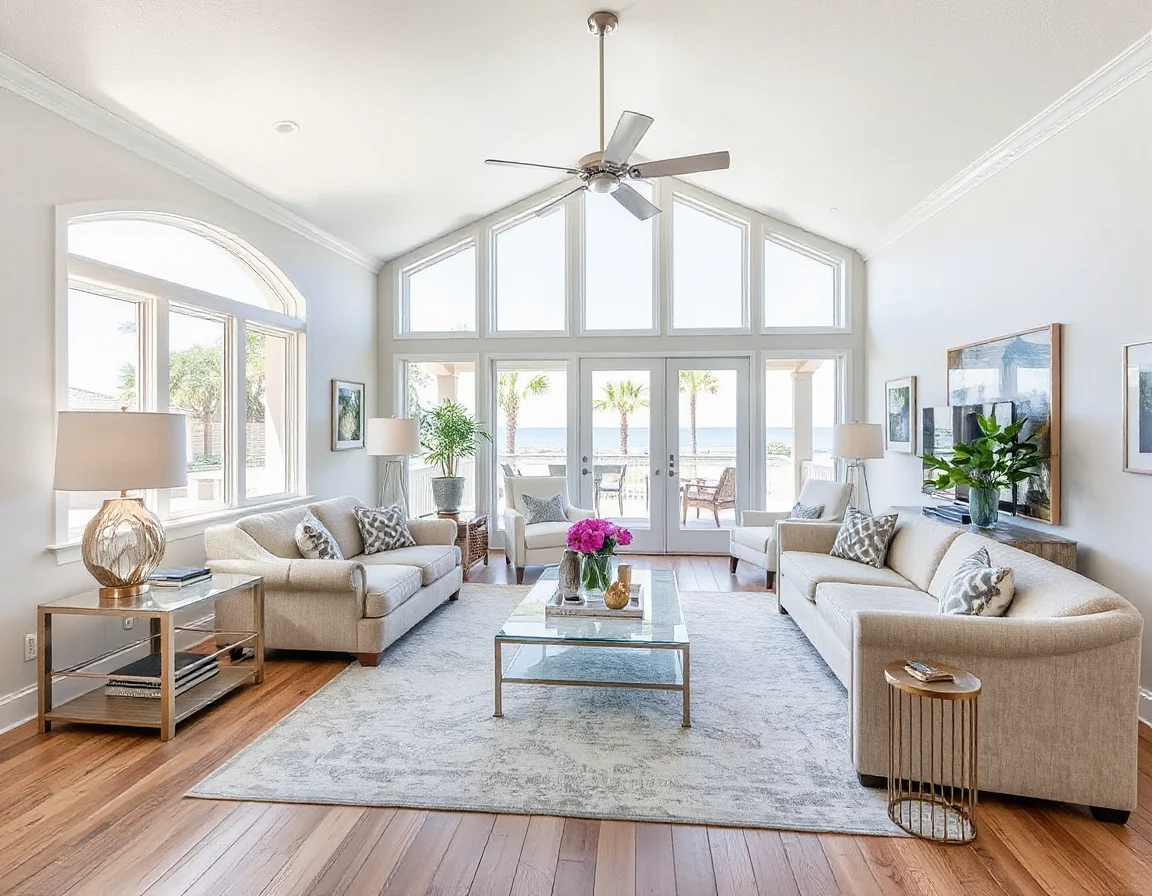
Clue number six is measured updating. Buyers often respond well to homes where kitchens, baths, flooring, and fixtures feel current without becoming overly customized. In resale terms, broadly appealing finishes can create a useful middle ground: attractive today, flexible tomorrow. A property does not need to be brand new to compete well; it needs to feel coherent, cared for, and easy to personalize.
This is also where online search tools can be misleading. Dramatic staging can highlight one corner of a home while downplaying circulation, ceiling height transitions, or awkward room relationships. Seeing homes in person often reveals whether that beautiful listing photo reflects the whole property or only the best angle.
A practical Palm Coast floor plan often shows its value in the transition spaces: from garage to kitchen, living area to lanai, and primary suite to the rest of the home. Smooth flow is hard to add later and easy to appreciate every day.
Buyers comparing several homes at once may benefit from keeping notes on what felt intuitive versus what merely photographed well. That small discipline can make it easier to recognize the listings that combine charm with genuine usability.
The Surrounding Lifestyle Should Be Easy to Picture
Clue number seven is context. A smart coastal buy is rarely about the structure alone. In Palm Coast, value is often tied to how naturally a home connects to the wider area: nearby walking and biking paths, access to golf courses, proximity to the Intracoastal, and a manageable drive to Flagler Beach or other coastal destinations. The best locations support both leisure and logistics.

That can include practical details like nearby grocery options and commuter routes, but it also includes quality-of-life patterns. Some buyers want easy access to boating or waterfront views. Others prioritize a quieter street pattern, newer construction clusters, or a home base that makes it easy to enjoy parks and recreation. None of those priorities are inherently better than another; the smart purchase is the one that matches how the property will actually be used.
Palm Coast also offers variety within its market. Canal-front homes, golf-oriented communities, inland neighborhoods with larger lots, and newer developments can all appeal for different reasons. Comparing those choices side by side is often the difference between buying a feature and buying a fit. A strong local team can help identify where price, condition, and location are aligning most effectively at a given moment.
If the search is expanding beyond one neighborhood or property style, a broader look at the area can be just as useful as drilling into one listing. Sometimes the smartest move is adjusting the map before adjusting the budget.
A Smart Buy Usually Feels Balanced
In the end, the clearest Palm Coast buying clues are rarely dramatic. They show up in solid maintenance, logical layout, useful outdoor space, location efficiency, and a setting that makes coastal living feel enjoyable rather than complicated. The homes that check those boxes tend to stand out not only on showing day, but also during inspection, resale analysis, and day-to-day ownership.
That balance is what many buyers are really searching for: a property that captures the appeal of the coast while still making practical sense. When the basics are strong and the lifestyle fit is clear, a Palm Coast purchase can feel less like a gamble and more like a well-timed decision.