
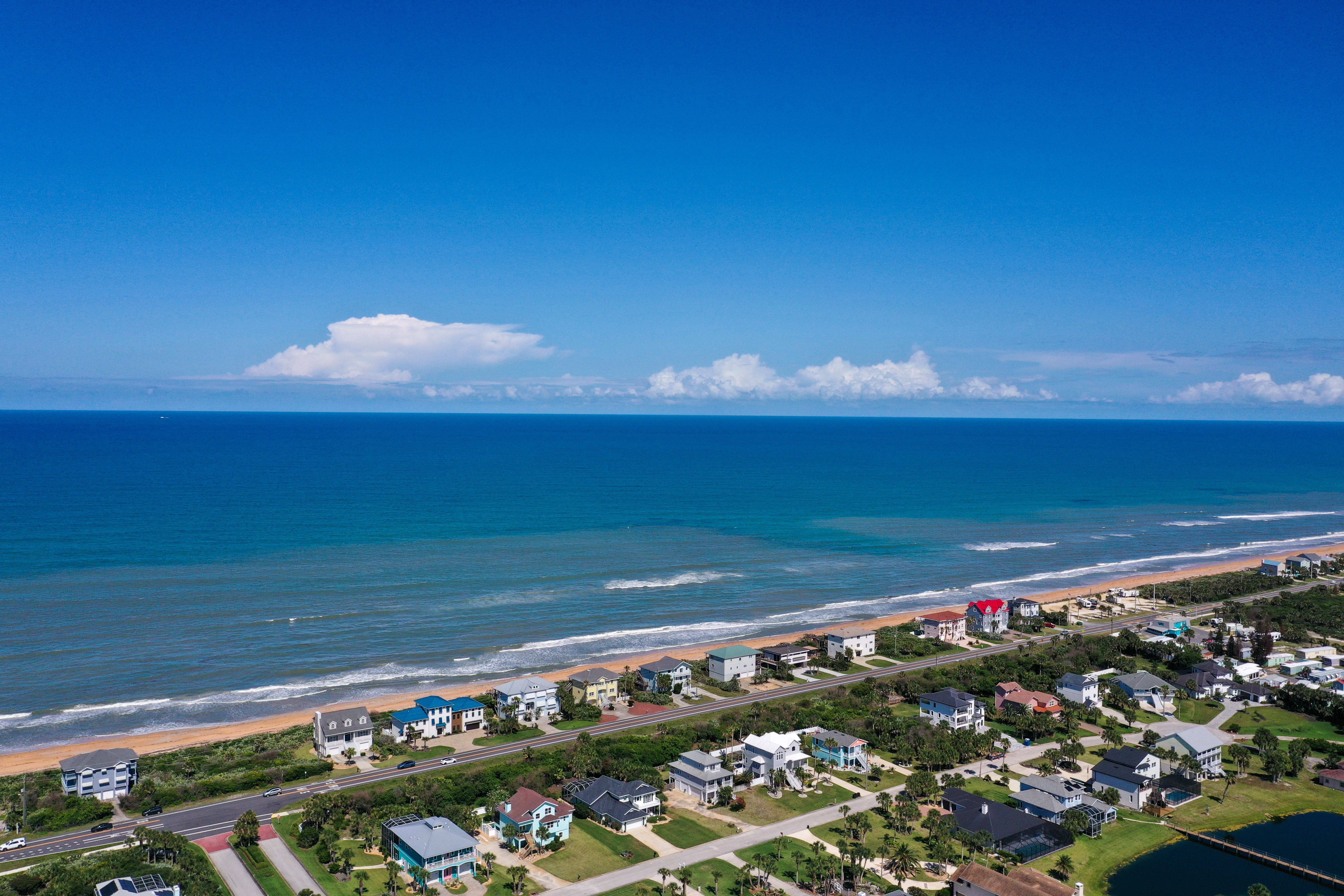
Choosing between Palm Coast and Ormond Beach often comes down to how you want daily life to feel, not just what a home looks like on paper. One offers a more spread-out, residential rhythm with golf courses, trails, and newer neighborhoods, while the other blends beach access with a longer-established coastal pattern and quick connections to neighboring communities. If your move is centered on pace, amenities, and housing style, this side-by-side look can help narrow the search.
Two coastal cities, two different daily rhythms
For many home buyers, the decision between Palm Coast and Ormond Beach is less about picking a “better” place and more about matching the setting to everyday priorities. Both cities put you close to the Atlantic, outdoor recreation, and a year-round coastal atmosphere, but they present that lifestyle in different ways. One tends to feel more planned and spacious, with broad roadways, golf communities, and a network of parks and paths. The other leans into a more established beach-town identity, with a mix of older homes, riverfront areas, and easy access to Daytona Beach and beyond.
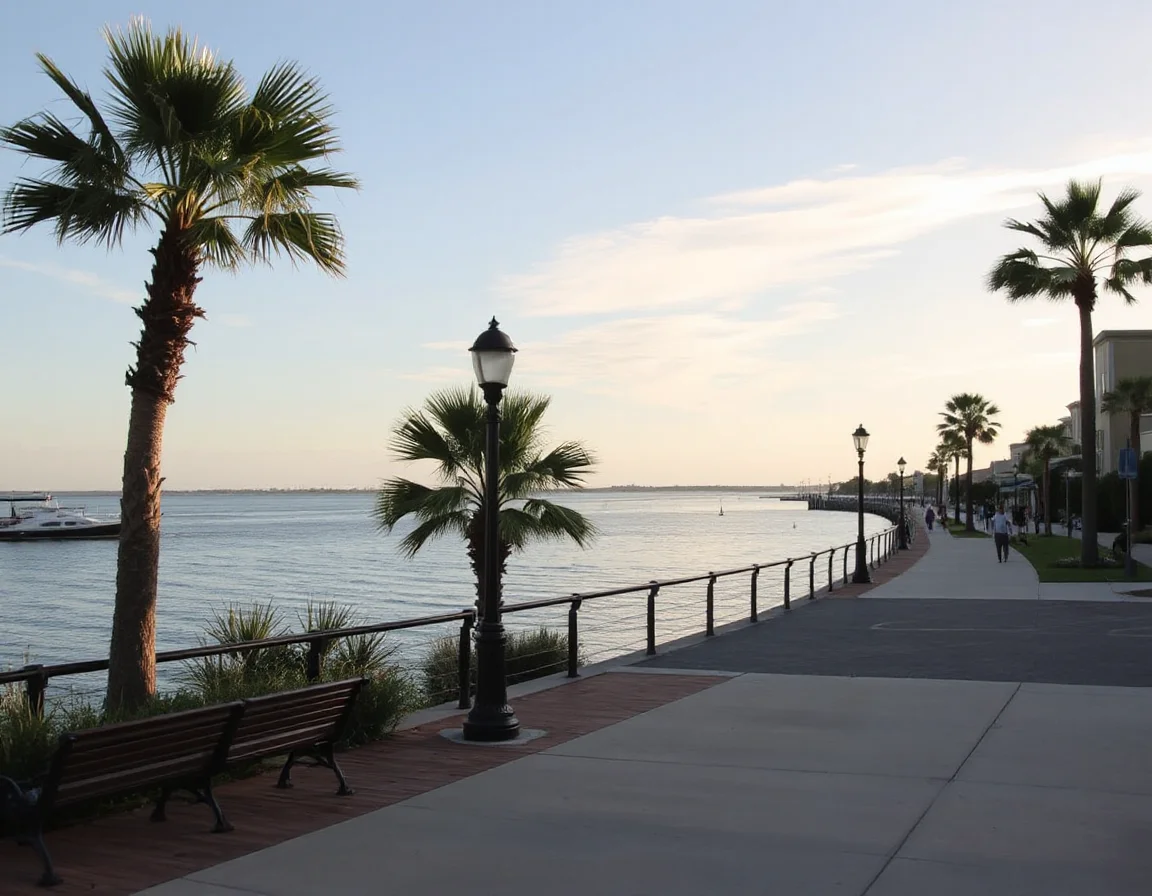
Palm Coast often appeals to buyers who want a little more breathing room. Neighborhoods can feel tucked into natural preserves, canals, and green space, and many homesites reflect that lower-density layout. It is common to find single-story homes, newer construction, and communities organized around golf, lakes, or quiet internal streets. Daily errands are straightforward, and the city’s layout can make it easier to move between residential areas, shopping corridors, and recreation spots without feeling tightly packed.
Ormond Beach brings a different energy. It has oceanfront stretches, Halifax River scenery, and a built environment shaped over a longer period of time. That can mean more architectural variety, from older coastal homes to condos and established neighborhoods with mature landscaping. The result is a city that feels connected to its shoreline history while still offering practical access to services, major roads, and nearby employment centers.
If “space and newer neighborhood layouts” tops your list, Palm Coast may rise quickly. If “beach-town texture and a wider mix of home styles” matters more, Ormond Beach often deserves a closer look.
How housing options tend to differ
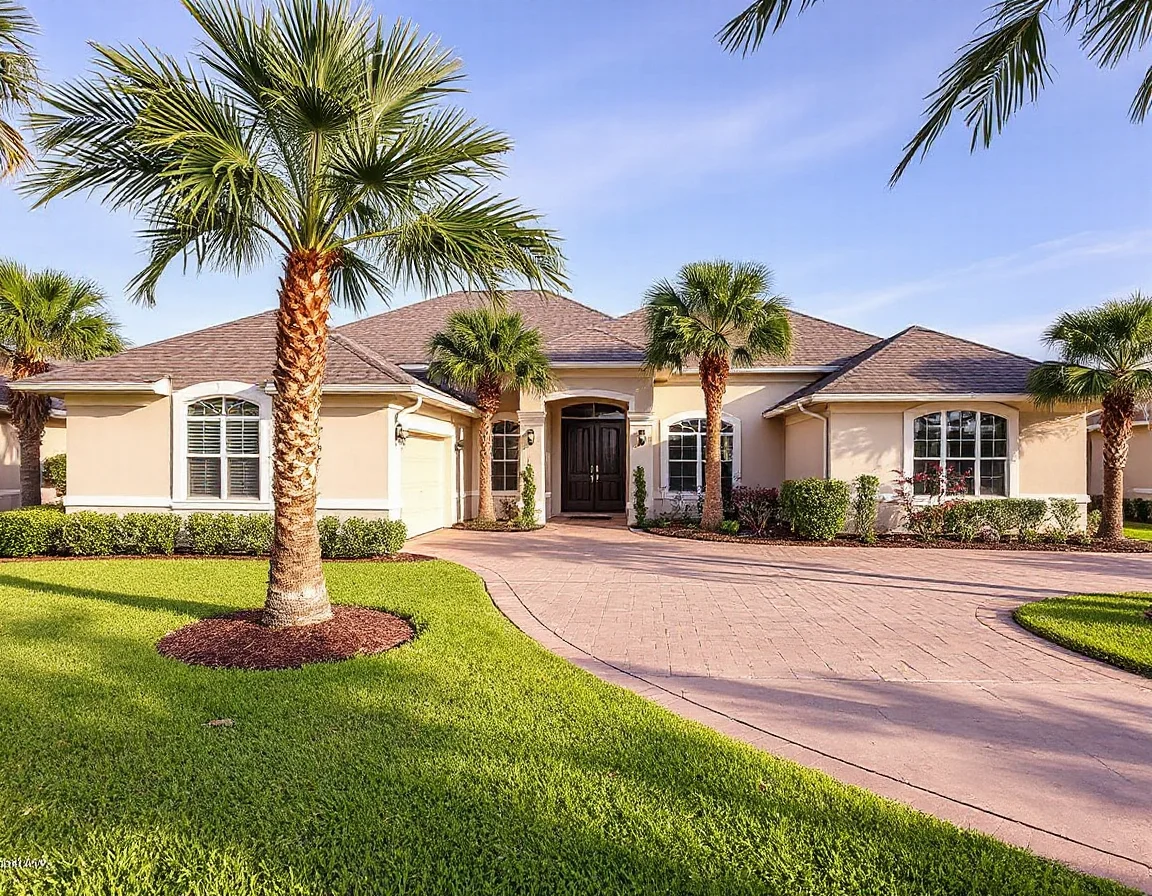
Housing inventory is where the contrast becomes especially useful. In Palm Coast, buyers often encounter communities with relatively newer homes, contemporary floor plans, and subdivisions where lot lines, streetscapes, and amenities feel intentionally organized. It can be a strong fit for people who want open kitchens, flex rooms, screened lanais, or easier access to newer roofing, windows, and systems. Depending on the section of the city, buyers may also find canal-front properties, golf course homes, or neighborhoods near preserves.
Ormond Beach typically offers more variation in age, style, and setting. Some buyers are drawn to beachside cottages, while others focus on river-adjacent neighborhoods, condos, or inland residential pockets with established trees and a more traditional street grid. That variety can create opportunity, especially for buyers who are comfortable comparing renovation needs, flood zone considerations, HOA differences, and lot characteristics from one listing to the next.
Neither market is one-size-fits-all, and that is exactly why the comparison matters. A buyer looking for low-maintenance condo living near the water may see Ormond Beach very differently than someone prioritizing a newer single-family home with a larger footprint in Palm Coast. The smartest approach is to compare inventory by home type first, then weigh location benefits second.
Beaches, recreation, and getting outside
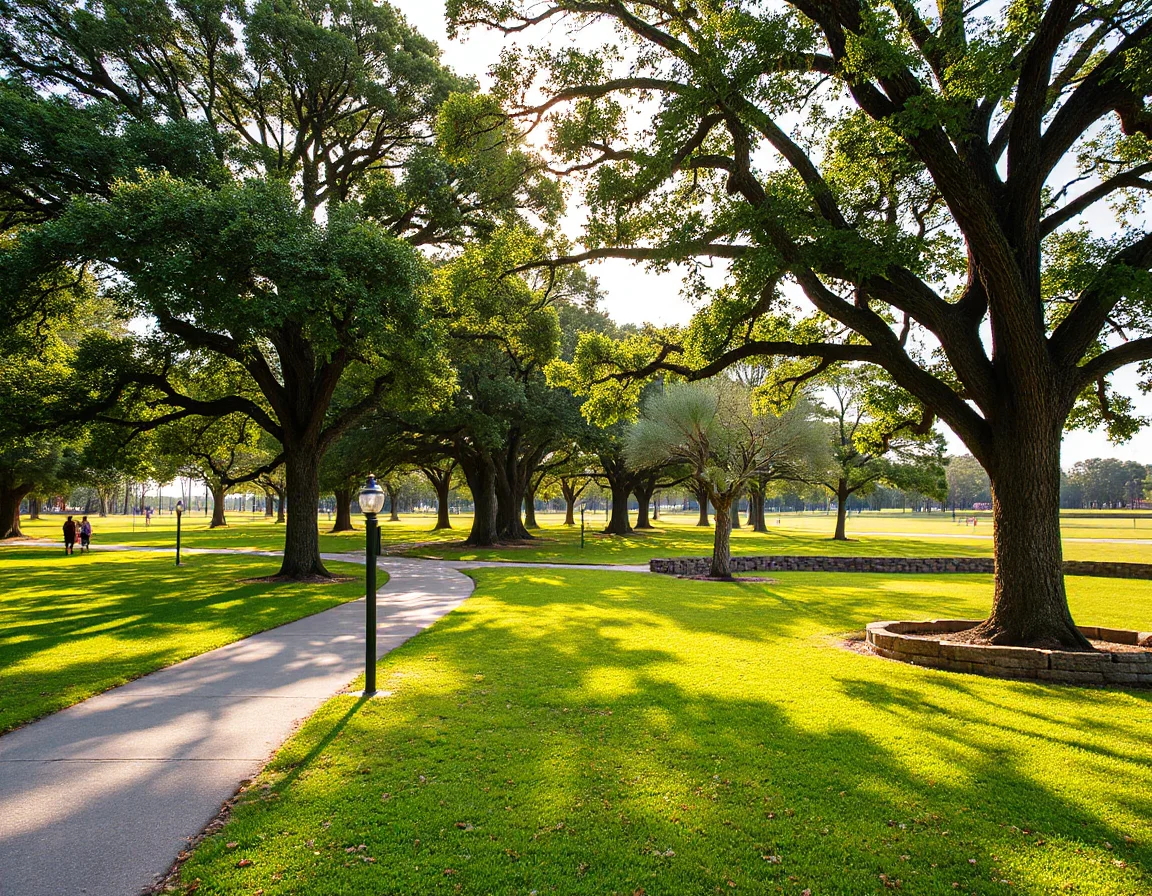
When people picture coastal Florida living, they usually imagine more than just a home address. They are also thinking about how weekends unfold. Palm Coast stands out for its trails, parks, golf courses, and access to spots like Washington Oaks Gardens State Park and nearby waterfront routes. Boating, kayaking, walking paths, and nature-focused recreation are part of the appeal. The city often feels designed for residents who want outdoor options woven into everyday life rather than concentrated in one single district.
Ormond Beach offers a strong outdoor story too, but with a slightly different emphasis. The beach itself is a major draw, and the city’s position near the river and scenic drives adds another layer of character. Residents can enjoy shoreline access, parks, fishing areas, and routes that connect quickly to neighboring coastal destinations. For buyers who want their downtime to include regular beach visits, water views, or a classic seaside atmosphere, Ormond Beach often feels more immediate.
That difference in recreation style can shape the move more than buyers expect. Palm Coast may feel better suited to those who want a broader blend of nature preserves, golf, and residential calm. Ormond Beach may feel better aligned with those who want to be more closely tied to the beach and the texture of a long-established coastal community. Both deliver outdoor living; they just package it differently.
A quick map check can change the whole comparison. In coastal markets, a listing’s distance to beach access, trailheads, bridges, or major roads can affect both convenience and day-to-day feel.
Commute patterns, access, and nearby hubs
Another practical layer is connectivity. Palm Coast is well positioned for travel along I-95 and offers relatively convenient access north toward St. Augustine or south toward Daytona Beach. For buyers who want a residential home base with regional flexibility, that can be a meaningful advantage. Running errands, reaching medical services, and heading out for a day trip can all feel manageable without sacrificing the calmer tone many buyers are after.
Ormond Beach also benefits from strong regional access, especially for those who expect to spend time in Daytona Beach or want quick connections across Volusia County. Depending on where a home is located, residents may find it easier to blend beach living with nearby retail, dining, and employment centers. Because the city ties into a broader coastal corridor, some buyers appreciate the sense of being plugged into more activity while still having distinct residential neighborhoods to choose from.
In other words, Palm Coast often wins points for a more tucked-away feel, while Ormond Beach can win points for being closely linked to surrounding destinations. The right answer depends on whether your routine favors separation from busier areas or easier proximity to them.
What to compare before you decide
Before choosing one city over the other, compare a short list of real-world factors: home age, insurance expectations, HOA structure, flood zone details, lot size, proximity to the beach or Intracoastal, and the type of neighborhood layout you prefer. It also helps to visit at different times of day. A morning drive can reveal traffic patterns and natural light, while an evening visit can show how active or quiet a particular area feels.
It is also worth thinking beyond the first year. A home that feels exciting on day one should also support the routine you expect later, whether that means low-maintenance living, room for hobbies, easier access to recreation, or a location that keeps regional travel simple. Coastal Gateway Real Estate Group helps buyers compare these details with local context, which can make a big difference when two markets both look appealing online.
Ultimately, Palm Coast and Ormond Beach each offer a strong version of coastal Florida living. Palm Coast tends to favor space, planned neighborhoods, and a relaxed residential flow. Ormond Beach tends to offer beach access, a more established coastal pattern, and broader architectural variety. The best fit is the one that matches how you want to spend an ordinary Tuesday as much as an ideal Saturday.