
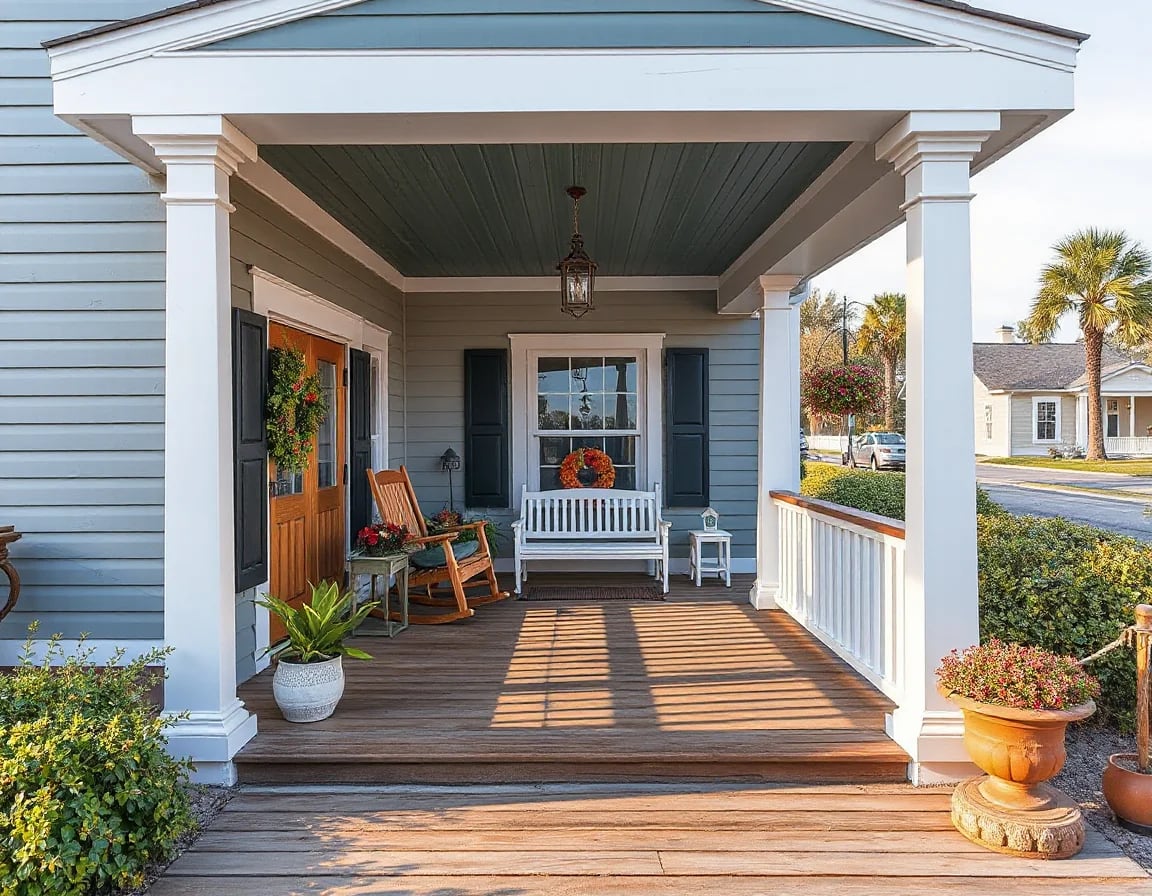
Strong listing photos can raise interest before a buyer ever schedules a showing, and small visual issues often stand out more in pictures than they do in person. In Flagler Beach, sellers usually get the best results by focusing on moisture-related touch-ups, exterior cleanup, light staging, and anything the camera will exaggerate. A smart pre-photo checklist helps your home look cared for, bright, and ready for the market without taking on unnecessary renovations.
Start With What the Camera Notices First
Online photos create the first showing, and that means details that feel minor during daily life can become surprisingly obvious once they are frozen in a high-resolution image. Scuffed baseboards, burned-out bulbs, crooked wall art, cluttered counters, and worn caulk around sinks all register quickly on camera. Before a photographer arrives, sellers in Palm Coast usually benefit most from fixing the items that signal deferred maintenance rather than chasing a full remodel.

Think in terms of visual distraction. If a buyer pauses on a photo because of peeling paint on the front door, stains on the driveway, or too many personal items on a vanity, attention shifts away from the layout and features you want to highlight. Fresh mulch, trimmed plantings, cleaned windows, and a neatly defined entry can make a noticeable difference because they help the home read as orderly and well maintained.
Inside, touch-up paint is often one of the highest-return jobs before photography. Neutral walls do not need to look blank, but they should look consistent. Patch nail holes, straighten furniture, remove extra storage bins from visible areas, and simplify surfaces so rooms photograph as spacious. The goal is not to erase personality; it is to let buyers clearly see scale, light, and flow from room to room.
If a repair catches your eye every time you walk past it, there is a good chance the listing camera will magnify it. Photo prep usually rewards neatness and consistency more than expensive upgrades.
Pay Special Attention to Coastal Wear and Moisture Clues
Properties near the ocean often deal with conditions that inland sellers can ignore a little longer. Salt air, humidity, wind, and frequent exposure to sand can leave visible wear on hardware, exterior finishes, screens, and glass. For a Palm Coast or Flagler Beach listing, it is worth checking the front door handle, outdoor light fixtures, sliding door tracks, window screens, and painted trim for rust, corrosion, or buildup that makes the home appear older in photos than it actually is.
Bathrooms, laundry spaces, and kitchens also deserve a close inspection before photography. Buyers scanning images tend to notice darkened grout lines, water spots on shower glass, stained caulk, and any ceiling discoloration that suggests a past leak. Even when an issue has already been resolved, the visual trace of it can create questions. Re-caulking, cleaning grout, replacing a stained vent cover, and repainting a repaired ceiling area can help photos feel crisp and reassuring.
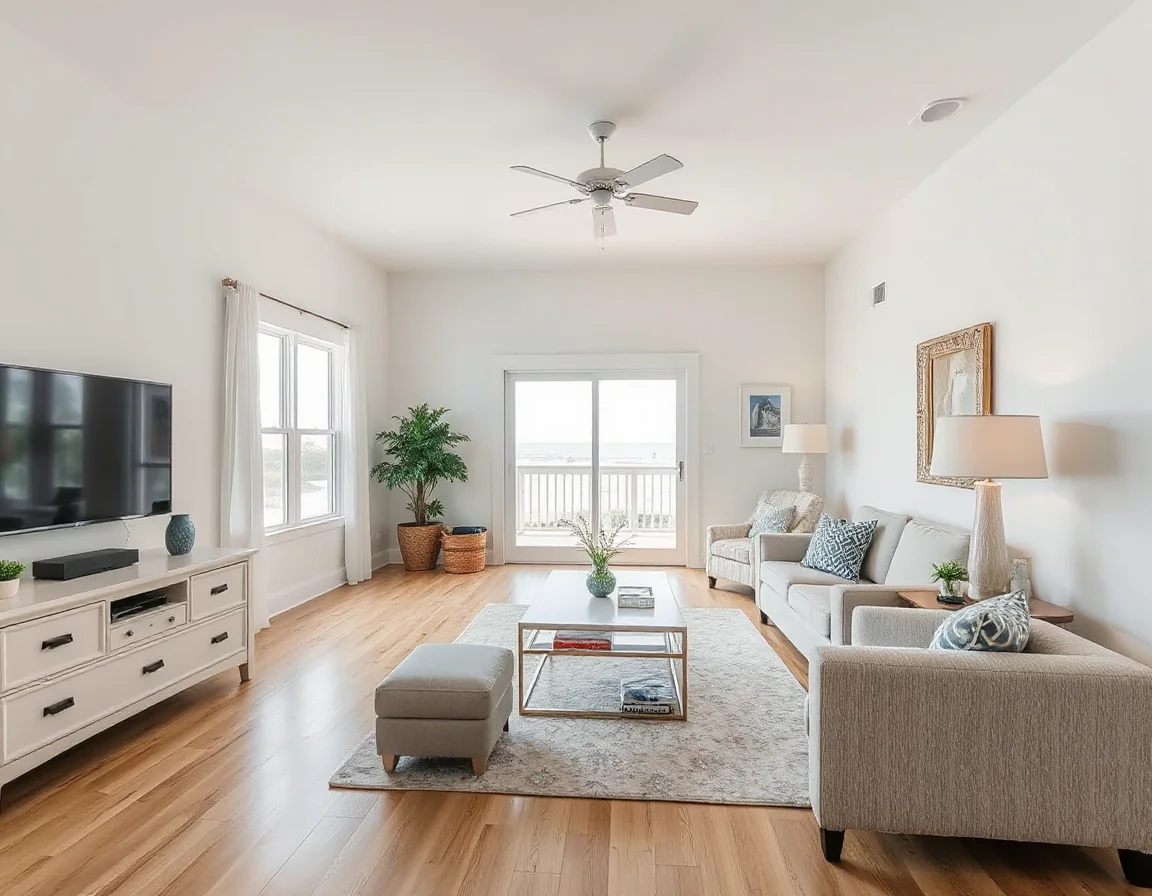
Floors matter too. Sand tracked into corners, pet hair on darker finishes, and cloudy residue on tile can all flatten the look of a room. A deep clean before the shoot helps natural light reflect better and gives spaces a sharper, more open appearance. This is especially important in homes where the selling point is relaxed coastal style; the room should feel effortless, not busy.
Outdoor living areas should receive the same level of attention. Pressure wash patio surfaces if needed, wipe down furniture, and remove anything broken, faded, or out of season. If the home has a balcony, porch, or backyard seating area, listing photos should show it as usable and inviting. A clean setup helps buyers imagine how the space functions instead of wondering what needs work.
In coastal markets, small signs of moisture or salt wear can influence perception quickly. Sellers often gain more from cleaning, sealing, and touch-up work than from taking on a major project right before listing.
Skip the Big Renovation Unless It Solves a Visible Problem
Many sellers ask whether they should replace cabinets, redo a bathroom, or install all-new flooring before photos are taken. In most cases, the better question is simpler: does the current condition look distracting in pictures? If the answer is no, then styling, editing, and presentation may do more for the listing than a rushed renovation. Buyers understand that not every home is newly updated, but they respond best to properties that feel clean, functional, and well presented.
A pre-listing strategy should prioritize repairs that improve both appearance and confidence. Loose handrails, missing switch plates, damaged screens, cracked outlet covers, and malfunctioning light fixtures are relatively modest fixes that signal care. By contrast, starting a larger remodel without enough time to finish it can create visual inconsistency. Half-updated spaces rarely photograph as well as tidy, coherent rooms that are fully complete.
When in doubt, focus on continuity. Matching bulbs throughout the house, fresh white towels in baths, made beds with simple linens, and clear pathways through each room help photography tell a smoother story. This is particularly useful in homes with open layouts, water views, or compact spaces where composition depends on visual calm.
Make the Exterior Match the Strength of the Interior
Curb appeal is not just the first photo in the gallery; it frames everything that follows. If the front elevation looks dim, overgrown, or tired, buyers may assume the same about the rest of the property. Mow the lawn, edge planting beds, remove extra hoses, hide trash bins, and clear vehicles from the driveway if possible. For beach-area homes, even a quick rinse of outdoor surfaces can brighten the entire presentation.

Front porches and entry areas deserve special care because they often anchor the emotional tone of the listing. Replace a tired doormat, remove seasonal clutter, and keep décor minimal. One or two well-kept planters can look polished, while too many small decorative items may read as visual noise. The same principle applies to back patios and decks: less is often more when the camera is trying to show usable square footage.
If your home has one standout feature, make sure the prep supports it. That might be ocean air on the porch, a bright sunroom, a renovated kitchen, or a fenced yard with room to spread out. Eliminate anything that competes with that feature in photos. Good images do not need every corner to be dramatic; they need the best parts of the home to be easy to understand at a glance.
With the right fixes before the photoshoot, sellers can avoid over-improving while still making a strong impression. In a visual-first market, clean lines, simple repairs, and thoughtful presentation often do the heavy lifting. When the home looks cared for from the curb to the back patio, the listing has a better chance to earn more clicks, more showings, and stronger early interest.