

Bunnell can reward investors who look beyond headline prices and pay attention to the signals shaping long-term value. The most useful clues often come from infrastructure, land use, replacement costs, and how inventory behaves compared with nearby markets. If you want a sharper way to evaluate opportunities, these five indicators can help you separate a low price from a strong value.
Why value signals matter more than sticker price
Low list prices can grab attention, but investors usually do better when they study what supports value over time. In Bunnell, that means looking at the relationship between location, access, development patterns, and the condition of available housing stock. A property that appears inexpensive at first glance may need extensive updates, sit in a less convenient location for everyday travel, or face carrying costs that change the math. On the other hand, a home with a slightly higher asking price may offer stronger resale flexibility, more durable construction, or a setting that keeps demand steadier.
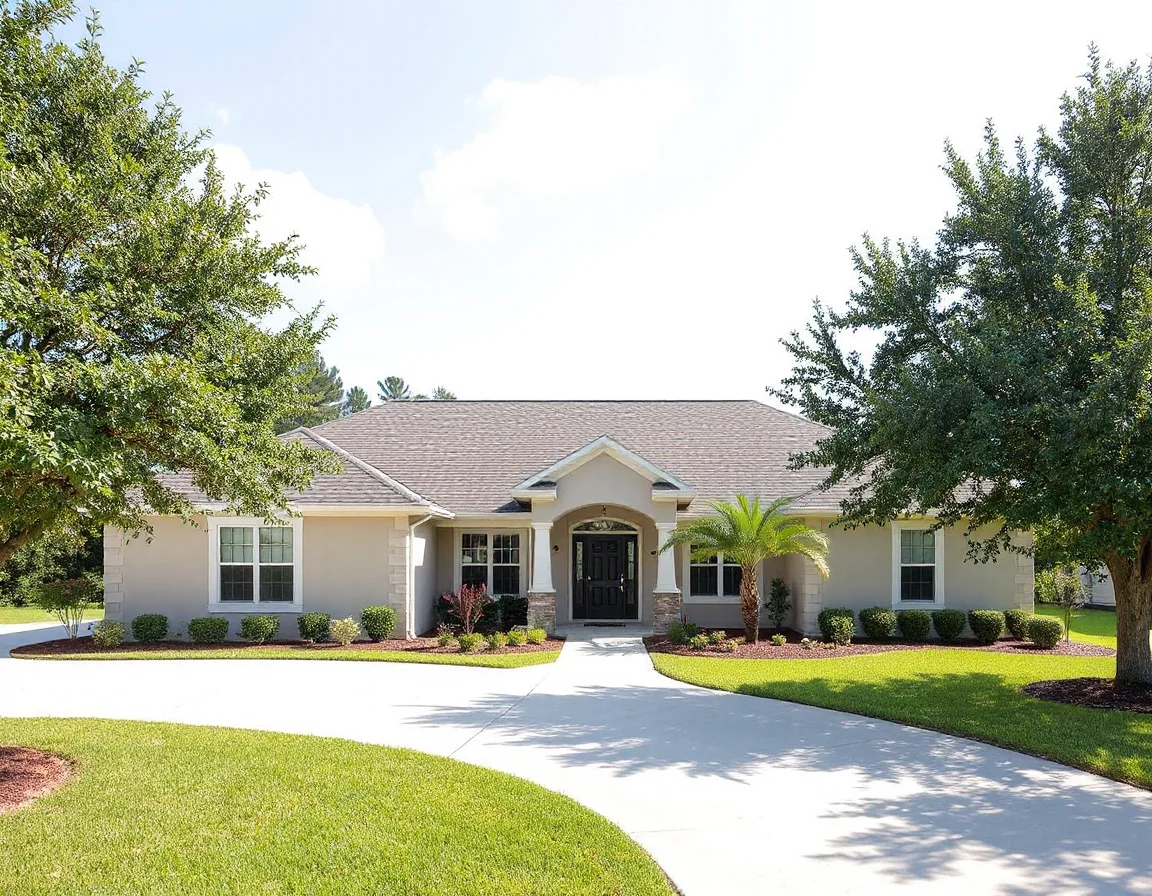
Bunnell is especially interesting because it sits close to larger coastal demand centers while offering a different pace, lot pattern, and pricing profile. That creates room for value-focused decisions, but only if you understand what the market is signaling. Investors who rely only on price per square foot can miss the factors that influence future buyer interest, rental appeal, and renovation budgets.
The goal is not to predict every shift perfectly. It is to identify practical evidence that a property has stronger staying power than the competition. The five signals below are useful because they are observable, local, and tied to real decision-making rather than hype.
1. Watch where road access and daily convenience intersect
One of the clearest value signals in Bunnell is how easily a property connects to routine destinations and regional routes. Investors should pay attention to travel patterns to Palm Coast, Flagler Beach, and major corridors that support work commutes, errands, services, and recreation. Properties that make everyday movement easier often draw broader interest when it is time to rent, sell, or refinance.
Convenience does not mean every investment needs to sit in the busiest part of the map. In fact, some buyers and renters prefer more space and a quieter setting, but they still want practical access to groceries, healthcare, schools, parks, and major roads. When a home balances elbow room with straightforward connectivity, it tends to hold attention better than a similarly priced option that feels isolated.
A small difference in drive time can have an outsized effect on buyer traffic. When two similar homes hit the market, the one with easier regional access often earns stronger early interest.
As you compare properties, map the real-world routes at different times of day. A listing that looks equivalent on paper can perform very differently once travel friction enters the picture. That is especially true in a market where many shoppers are comparing Bunnell with nearby communities rather than evaluating it in isolation.
2. Pay attention to lot size, usable land, and zoning context
Another major signal is not just how much land comes with a property, but how usable that land actually is. Bunnell often attracts attention because parcels can feel more spacious than those in denser nearby markets. For investors, that can be meaningful if the site supports parking, storage, outdoor improvements, or a more flexible ownership plan. However, value depends on what is realistically possible under local rules and physical conditions.

That is why lot size alone is not enough. Look at access points, drainage patterns, setbacks, tree coverage, and whether the parcel shape limits future improvements. A wide, functional lot may offer more practical value than a larger but awkward tract. Investors considering additions, detached structures, or phased upgrades should verify zoning and site constraints before assuming the land will increase returns.
The surrounding pattern matters too. If nearby parcels show consistent upkeep, gradual reinvestment, and a mix of stable residential use, that can support value better than a block where deferred maintenance is widespread. This is not about making assumptions about residents; it is about observing objective property conditions, visible investment, and how land is being used around the subject property.
In Bunnell, usable land can be one of the clearest differentiators between a merely affordable property and one with multiple exit strategies. For investors, flexibility often creates value long before the next resale.
3. Compare renovation cost to replacement cost, not just asking price
A third signal many investors overlook is the gap between what it costs to improve an older property and what it would cost to replace that functionality in today’s market. In Bunnell, some homes appeal because the initial acquisition cost is manageable, but the renovation scope can quickly change the numbers. Roof age, HVAC condition, windows, electrical updates, plumbing, and site work all influence whether a deal remains attractive after inspection.
If a property offers solid structure, decent layout, and updates that are mostly cosmetic, the path to value may be straightforward. If the home needs major systems, drainage work, or full interior reconfiguration, the real investment may be much higher than the list price suggests. This is why comparing a candidate property against newer or more recently improved alternatives can be so helpful. You are not only asking, “Is this cheap?” You are asking, “What would it cost me to create comparable utility and marketability?”
Materials, labor, and insurance-related improvements can reshape returns faster than many first-pass spreadsheets show. A sharper rehab budget often reveals whether a discount is real or only superficial.
There is also a timing factor. A property that needs fewer critical updates may reach the market sooner if you plan to resell, or generate income faster if you plan to hold. In a value-oriented market, speed and predictability can matter almost as much as price. Investors who understand replacement cost tend to make calmer, more disciplined decisions when competition heats up.
4. Measure Bunnell against nearby markets, not against itself alone
One reason Bunnell stays on the radar is its relationship to surrounding areas. Buyers and investors often compare it with Palm Coast, Flagler Beach, and sometimes even broader regional options before deciding where their money stretches furthest. That makes relative value a powerful signal. If Bunnell offers more lot space, lower entry pricing, or a different property mix while still keeping access to coastal amenities and everyday services, that spread can support demand.

Relative value becomes even more important when inventory shifts in nearby coastal markets. If choices tighten or prices rise elsewhere, Bunnell can gain attention from shoppers who want alternatives without moving far from the same regional orbit. That does not guarantee appreciation on every property, but it can improve the visibility of well-positioned listings.
For investors, the practical move is to compare active listings, recent sales, days on market, and condition-adjusted pricing across several nearby areas at once. A property may look average inside Bunnell but stand out when viewed against neighboring options. This comparative approach often reveals whether a listing is truly under market or simply aligned with local realities.
It also helps you avoid over-improving. If resale buyers are likely to compare your finished product with homes in surrounding markets, your renovation choices should reflect that competitive set rather than assumptions based on one street or subdivision.
5. Study days on market and price adjustments for clues about real demand
Our final signal is behavioral: how listings move once they hit the market. Days on market, the number of price reductions, and the gap between original asking price and final contract terms can tell you a lot about what buyers actually value. In Bunnell, this is especially useful because housing types, lot sizes, and condition levels can vary considerably.
If updated homes with practical layouts and strong access points are moving relatively quickly, that suggests buyers are rewarding convenience and turnkey condition. If larger parcels are sitting unless priced carefully, that may indicate enthusiasm exists but only within a narrower value range. These patterns help investors decide whether to prioritize renovation efficiency, land utility, or lower basis over cosmetic ambition.
Price adjustments are also informative. Repeated cuts can signal that a home was misread by the market, but they can also reveal where value starts to become compelling. Watching several listings over time gives you a more grounded sense of buyer response than any single anecdote. It is a disciplined way to learn what the market is accepting, rejecting, and rewarding right now.
In the end, strong investing in Bunnell is less about chasing the cheapest address and more about reading the signals beneath the surface. Access, usable land, realistic renovation math, nearby market comparisons, and listing behavior all provide clues that can improve decision quality. When those indicators line up, an opportunity tends to look stronger not only today, but also when it is time for the next buyer to evaluate the same property.